The Heart of Teaching

Our Mission: “To Guide schools through change with innovation and purpose.”

Our Vision: “To be a trusted partner for schools seeking to thrive amid rapid change—where educational leadership, technology integration, and faith-driven values converge to create innovative, resilient learning communities that prepare students for lives of purpose and success in the 21st century.”

“At the Heart of Teaching. . .”

Dear Colleagues,

At the heart of teaching are imagination, kindness and a manifestation of love to nurture the human spirit.  Human dignity and respect, therefore, are the foundation upon which education must be established.  The philosophy of Restorative Practice is not a new concept.  It certainly is not a new “program” that if implemented, offers perfect compliance by all students.

For years, many teachers have relied on the premise that students, upon making a mistake, must be punished (because how else will they learn).  This premise is really a false promise.  When students are punished, they learn to feel resentment, anger, and frustration.  They feel as if they do not belong. 

Paradoxically, this intentional action – punishment — which fosters frustration and a feeling of being ostracized, goes against one of the basic philosophies of education – all students need to feel a sense of belonging.   The psychiatrist and author of several books on school improvement, Dr. William Glasser, emphasizes the basic human needs of love and belonging in his writings.  At the heart of Dr. Glasser’s work is the foundation of Choice Theory:

“Choice Theory® is based on the simple premise that every individual only has the power to control themselves and has limited power to control others. Applying Choice Theory allows one to take responsibility for one’s own life and at the same time, withdraw from attempting to direct other people’s decisions and lives. Individuals are empowered to take responsibility for their choices and support others in taking ownership of their choices. Negative behaviors reduce in frequency and intensity, relationships strengthen and satisfaction in life increases.”1

The Restorative philosophy teaches students how to become responsible learners by creating and nurturing positive relationships.  Students learn essential social and emotional skills.  They learn to practice kindness, and in so doing learn empathy. The restorative philosophy nurtures both academic learning in a critical-thinking environment and the traits of confidence, kindness, humility, and more.

The author, Robert J. Wicks, in his book Seeds of Sensitivity writes, “For years, there has been a movement afoot in both psychology and spirituality to release people from the chains of unreasonable guilt and undeserved shame.  (Guilt is “I made a mistake.” Shame is “I am a mistake.”)2   The Restorative philosophy believes in maintaining a person’s dignity and respect, always.  Our responsibility as educators compels us to seek and impart truth and knowledge to ensure justice and inspire hope in all students.

I encourage you to participate in a Restorative Practice seminar, and I look forward to sharing ideas with you that will inform and inspire our work as educators.

Bruce J. Stewart

  1. https://wglasser.com/what-is-choice-theory/
  2. *Seeds of Sensitivity, Robert J. Wicks, Ave Maria Press, Notre Dame, IN 46556

Restorative Practice Photo Gallery

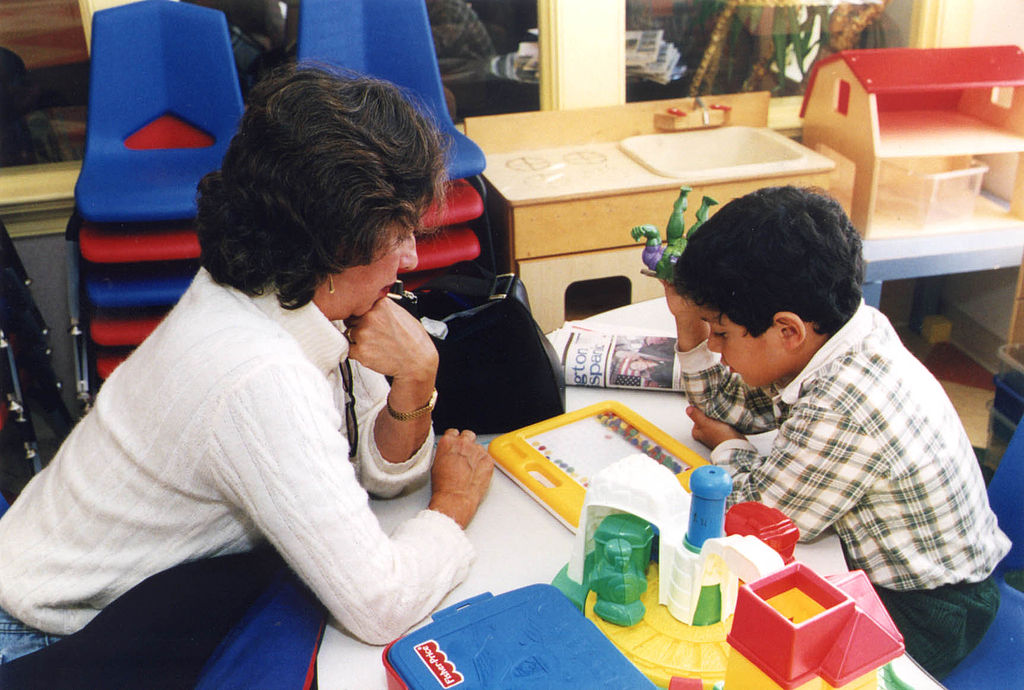
Early Childhood Education Teacher and Student
True compassion is the ability to be sympathetic and empathetic and giving a helping hand.
Compassion

Information

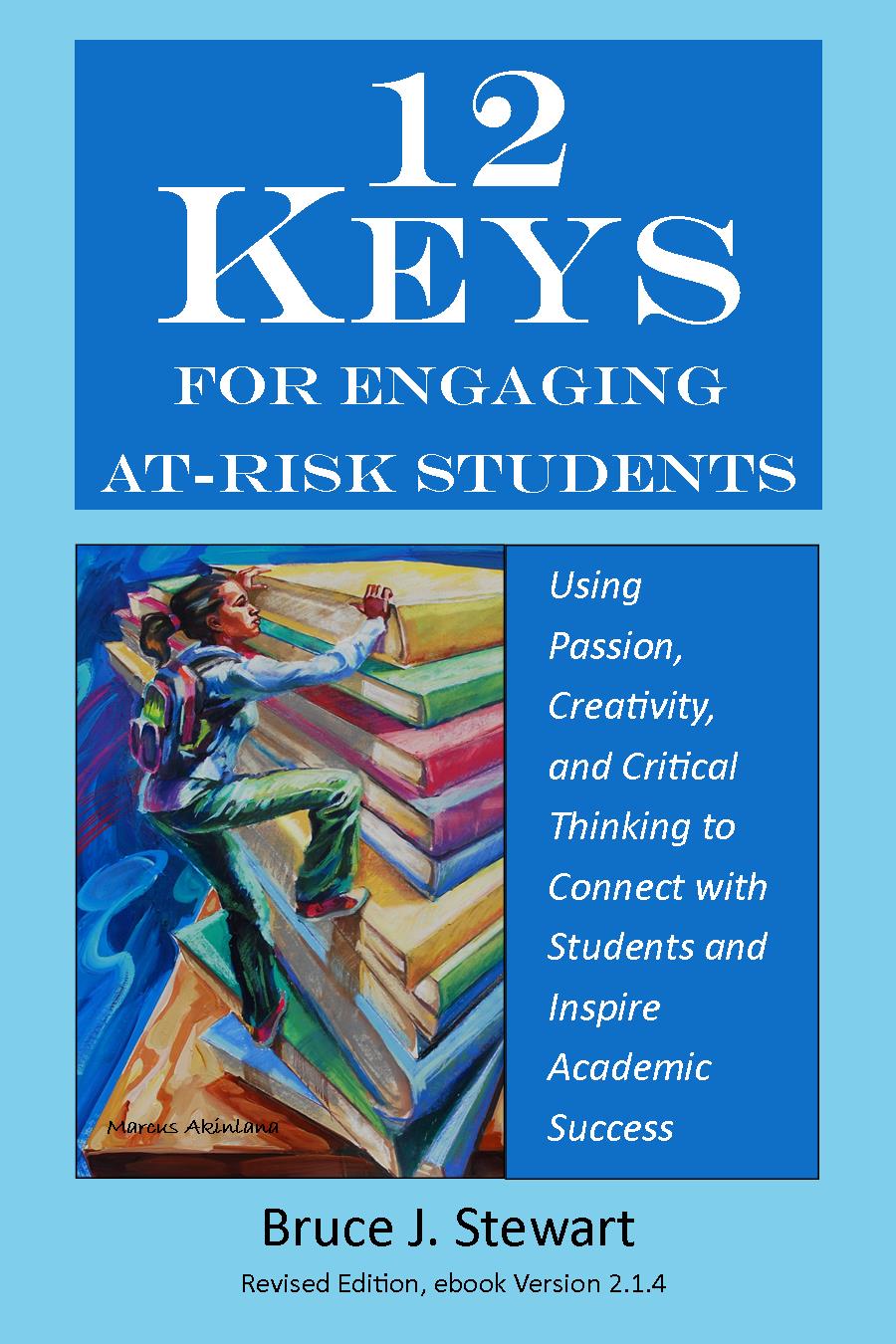
12 Keys for Engaging At-Risk Students
Using Passion, Creativity, and Critical Thinking
to Improve Student Achievement

Author, Bruce J. Stewart

All students are at-risk who are not challenged by passionate teachers – teachers who understand the importance of a critical thinking approach to teaching, and most importantly a passionate approach to the teaching profession. The stories in this book demonstrate the power of connecting with students and engaging them in a relevant curriculum each and every day. The stories in this book celebrate the human element of teaching, and recognize the resiliency and beauty of over thirty students who have overcome the obstacles of poverty to achieve success in education.
© 2010, 215 pages, 6 x 9 in.
Paperback: $19.95, ISBN 978-0-9845264-0-6

Send purchase order or check to:

Bruce J. Stewart

4826 Bright Drive

New Orleans, LA 70127

Bruce J. Stewart Curriculum Vitae

Bruce J. Stewart

bruce.stewart92@gmail.com

Educational Background

Master of Arts in Education, Administration and Supervision

University of Phoenix, Reno NV, degree awarded 2003

  • Action Research: Traner Middle School Writing Project, 2003

Teacher Certification, Secondary Licensure, Grades 7 through 12

Sierra Nevada College, Incline Village, NV, degree awarded 2000

Bachelor of Arts, English

University of Washington, Seattle, WA, degree awarded 1976

Professional Licensure

  • State of Nevada Department of Education, Secondary Teacher’s License, Grades 7 through 12,
  • State of Nevada Department of Education, Educational Administration, Grades K through 12,

Professional Experience

Education Consultant, Speaker, and Author, July 2019 to present

  • Authored Online Education Courses
    • Course Title: Principles of Education and Training, Exploring Options in Education and Career Planning
    • 48 lessons divided into 8 modules
    • Course fulfilled the State of Texas Educational Standards (TEKS)
    • Course Title: Principles of Instructional Practices
    • 48 lessons divided into 8 modules
    • Course fulfilled the State of Texas Educational Standards (TEKS)
  • Presenter for Restorative Practices Seminar
    • Seminar Title: Restorative Practices, Helping Your Students Improve Their Behavior and Improve Their Learning
    • Online presentations via the Zoom platform available
    • Author of the Restorative Discipline Handbook used in each seminar
    • Full Day Seminar and 1/2 day seminar

Principal, St. Albert the Great Catholic School, (Reno, NV), July 2022 to June 2024

  • Western Catholic Education Association (WCEA) Commissioner for the Diocese of Reno Catholic Schools
  • Chairperson, WASC/WCEA Accreditation Visiting Team, St. Mary’s Catholic School (Spokane, WA)
  • Chairperson, WASC/WCEA Accreditation Visiting Team, St. James the Less Catholic School (Paris, CA)
  • Team Member, WASC/WCEA Accreditation Visiting Team, St. Joseph Parish School (Issaquah, WA)

 Principal, Junipero Serra School, (Carmel, CA), July 2016 to June 2019

INNOVATION AND LEADERSHIP

  • Created a Fine and Performing Arts Program: Studio Art for all students; Strings instruction for all students, grades 3-8; choir for all grades
  • Implemented CS First/Scratch programming class for students in grades 4 and up.
  • Implemented after-school programs, including: Drama Club, Homework Club (with tutoring), Mock Trial for students in grades 4-8
  • Chairperson, WASC (Western Association of Schools and Colleges)/WCEA (Western Catholic Education Association) Accreditation Visiting Team, St. Thomas More Elementary School (San Francisco, CA)
  • Chairperson, WASC/WCEA Accreditation Visiting Team, St. Mary Catholic School (Gilroy, CA)
  • Member, WASC/WCEA Accreditation Visiting Team, Old Mission Elementary School (San Luis Obispo, CA)

Principal, St. Mary Magdalen Catholic School, (Everett, WA), July, 2011 to June, 2016

INNOVATION AND LEADERSHIP

  • Created SMM Diversified Learners Program at St. Mary Magdalen School
  • School leader of the Capital Campaign which raised $1,000,000 for the renovation of the school
  • Created extracurricular programs: Robotics, Math Club, Strings Orchestra, Spanish Club
  • Successful writer of grant requests
  • Led highly effective WCEA Accreditation Process (March 23-25, 2015)
  • Chairperson, WASC/WCEA Accreditation Visiting Team, St. Joseph School (Alameda, CA)
  • Member, Archdiocesan Executive Principals Committee, Seattle, WA, 2013-15
  • Member, Archbishop Murphy High School Board of Directors, Everett, WA, 2013 to 2016
  • Member, WASC/WCEA Accreditation Visiting Team, St. Madeleine Sophie School, (Bellevue, WA)

Assistant Principal, Academics, Bishop Manogue Catholic High School, (Reno, NV), July, 2005 to June, 2011

INNOVATION AND LEADERSHIP

  • Academic leader of the school, including curriculum development, alignment, articulation
  • Recruitment, hiring, and management of faculty, including formal observations and evaluations
  • In conjunction with the principal, managed and ensured a quality college prep curriculum
  • Mediator between students, teachers, and parents in academic matters
  • Formulation of the school’s class schedule, and student scheduling changes
  • Director of student recruitment and student admissions
  • Facilitated student conduct board hearings
  • Chairperson of Part V (Action Plan) of the Bishop Manogue Accreditation Committee
  • Chairperson of the Bishop Manogue School Improvement Committee
  • Member NAAS (Northwest Association of Accredited Schools) Accreditation Visiting Team, Reno High School, (Reno, NV)
  • Member NAAS Accreditation Visiting Team, Damonte Ranch High School, (Reno, NV)
  • Member NAAS Accreditation Visiting Team, Reed High School, (Sparks, NV)

Teacher, Traner Middle School, (Reno, NV), English Language Arts Teacher and Team Leader, August, 2000 to June, 2005

  • Honors English Teacher, 8th Grade, 2001 through 2003.
  • 7th and 8th Grade English Teacher, 2000 through 2005.
  • Language Arts Department Chairperson and Team Leader
  • Coordinated standardized testing for ELA;
  • Led collegial discussions on the Junior Great Book methods of teaching to enhance student achievement. Developed ELA curriculum articulation and integration and analyzed data to measure and monitor student achievement.

Member WCSD (Washoe County School District) Middle School Best Practices Committee

  • Researched, discussed, and analyzed the best practices for middle schools; made formal recommendations to the Washoe County School Board that influenced school improvement practices.

 Member of the Traner Middle School Leadership Cadre

  • Implemented schoolwide best practices, including, teaming, daily block periods for math and language arts; and ongoing and consistent data analysis to improve student success.

 Member of the Hug High School Renewal Planning Committee, (Reno, NV), January, 2005 to July, 2005. 

  • The committee was tasked with the renewal and revitalization of Hug High School through facility improvements.

 Professional Development

Northern Nevada Writing Project, Summer Invitational, (University of Nevada, Reno)

  • May 2005 through July 2005 – Completed the summer invitational writing workshop.

 Junior Great Books

  • The Junior Great Book Program, a literature-based method of teaching language arts, emphasizes critical thinking, shared inquiry discussions, reading, and writing.

 Leadership Conferences

  • WCSD Leadership Conference, 2004
  • Boulder Symposium on Middle Schools, 2003, 2004
  • Love and Logic, by Jim Fay, 2004; Effective Schools Conference, 2004
  • Seattle University Summer Leadership Institute, 2012, 2013, 2014
  • Management Within Organization Course, BYU, 2015
  • Member of WCSD Principal’s Academy (2005-06)

 Presenter of Educational Workshops

  • Facilitator for Classroom Management, Diverse Learners, and Engaging Student Authors seminars

Professional Experience in the Computer Industry

  • KPS (Westlake Village, CA), 1978-88; First full time employee and minor partner in Kiely Professional Services (KPS);  Founded in 1978 by Bill and Sue Kiely, KPS began as a vendor of word processing software and hardware.  KPS was a national distributor of one of the first screen-based word processing systems.  The R Word software was a vehicle that led KPS to become one of Texas Instruments’ largest reseller of mini-computers during the early to mid 1980’s.  The R Word software became the first word processing software package to run on multi-user mini-computers and personal computers.
    • National Presenter and Trainer for the R Systems office automation software products
    • Author of two versions of the R Word User’s Manual
  • Oracle Corporation, (Belmont, CA), Senior Account Executive,1988 through 1991
    • Senior Account Executive in Oracle’s Direct Marketing Division
    • Honored as one of the leading account executives in 1990
  • Speedbird Data Systems, (Boulder, CO), Co-founder and Marketing Specialist
  • Applix (Denver, CO), Senior Account Executive and Marketing Specialist

Publications

Author, 12 Keys for Engaging At-Risk Students, 2010, Reno Educational Publishing, ISBN: 9780984526406

Changemakers

12 Keys for Engaging At-Risk Students — A Review and Summary

“Teaching without passion, without creativity, and without critical thinking is really not teaching. We cannot reduce all teaching to specific skill sets and activities, without believing our karma as an interested and interesting human being truly makes a significant difference.” (p. 91)

Only twelve keys? That’s what this book suggests. However, the author, Bruce J. Stewart, has provided interested educators with more than just twelve keys. Why is that? Primarily because, the astute and caring teacher looks at each student individually, assesses their needs, their strengths and their weaknesses, and works with that student to achieve the best that he/she possibly can be.

Take, for example, Josh, a difficult student with an attitude that was somewhat prompted by educators berating him for his looks, how he wore his clothes, how he projected himself. When he entered Mr. Stewart’s classroom, he was bound and determined to put yet another teacher to the test. And he did. Mr. Stewart, however, was expecting the test. Instead of responding in kind, this teacher worked around and with this troubled student. As Mr. Stewart explained, “My objective with students whose behaviors needed adjustment was to implement behavior plans for students to change their behavior, rather than to stifle them. Josh, as a result of his errant behavior, had been discarded by many teachers. Providing structure and a relevant curriculum which engaged Josh, allowed him to improve his behavior and contribute to the class in a positive manner.” (p. 74)

12 Keys for Engaging At-Risk Students is a treatise of examples and logical advice and solutions to engage difficult and troubled students, to make them feel that, yes they can do things, learn things and yes, they did have the potential to learn. As Mr. Stewart points out, that is the underlying principle of teaching, to inspire and to teach. This is an excellent resource for teachers and educators everywhere. 12 Keys for Engaging At-Risk Students is highly recommended by: Emily-Jane Hills Orford, Allbooks Reviews

A Nook Version of 12 Keys for Engaging At-Risk Students is available at Barnes and Noble for $4.99  Click here to purchase from Barnes and Noble.

About

Bruce J. Stewart brings a unique blend of experience in both education and the computer hardware/software industry, positioning him as a trusted guide for schools navigating the rapid integration of new technologies into curriculum and instruction.

With a foundation in technology from years working in the computer business, Bruce Stewart understands firsthand how innovation disrupts traditional systems—and how organizations must adapt to thrive. This perspective enriches his leadership in education, where he has served as a teacher, administrator, and consultant. His expertise lies in helping schools embrace change not as a challenge, but as an opportunity to reimagine learning for the 21st century. His commitment to ensuring that all students experience educational success is the basis for his book 12 Keys for Engaging At-Risk Students.

As an educational leader, Bruce Stewart has developed and led initiatives that prepare teachers and administrators to integrate technology meaningfully into classrooms. His work focuses on aligning emerging tools with sound instructional practices, ensuring that innovation enhances—not replaces—the human connection at the heart of teaching and learning.

Through Stewart Educational Consulting, he partners with Catholic schools, independent schools, and districts across the West Coast, offering professional development, strategic planning, and thought leadership. His vision is rooted in Alvin Toffler’s warning of “future shock”: by cultivating adaptability, resilience, and purpose-driven innovation, schools can reduce anxiety around rapid change and prepare students for the opportunities of a new employment paradigm.

Bruce’s dual expertise in technology and education makes him a compelling voice for school leaders who are ready to take bold, future-focused steps in curriculum design, instructional leadership, and the integration of emerging technologies.

Mr. Stewart studied English in college, earning a B.A. Degree from the University of Washington. He completed his Teacher Certification from Sierra Nevada College (Incline Village, NV); and earned a Master’s Degree in Educational Administration from the University of Phoenix (Reno, NV).

Mr. Stewart is available for speaking engagements and professional development seminars. Professional development seminars include  Guiding Schools in the Age of DisruptionA Seminar on the Challenges, Opportunities, and the Leadership Imperative in the Age of Artificial Intelligence. Other seminars include, Restorative Practice, Effective Classroom Management, and Marketing & Enrollment Management for Private Schools.

Mr. Stewart may be contacted at bruce.stewart92@gmail.com.